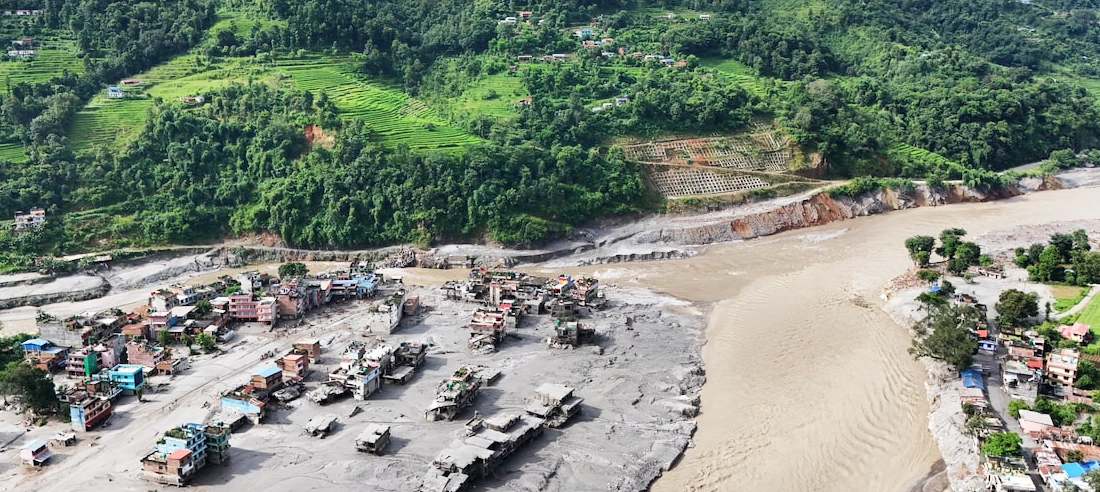
Nepal is once again facing a difficult moment after a devastating flash flood struck the Rasuwa District and Bhote...
Everest Base Camp Trek: Your Most Common Questions, Answered
October 8, 2026
Every year, thousands of travellers from dozens of countries ask us the same set of questions about the Everest Base Camp (EBC) trek. How hard is it? When should I go? What happens if my flight to Lukla is cancelled? Do I really need a guide?
The answers are rarely complicated, but they are often buried across outdated forum threads and contradictory blog posts. This guide brings the most important answers together in one place, written by a Nepal-based team that plans and leads this trek every season.
Use the section headings to jump to what matters most to you. Where rules, fees or schedules are likely to change, we say so and tell you what to verify before you travel.
The Basics: Difficulty, Duration and Distance
How difficult is the Everest Base Camp trek?
The EBC trek is a moderate-to-challenging high-altitude trek. It requires no technical climbing skills, but it demands sustained walking over many days, often on steep, rocky terrain. The main difficulty is altitude rather than technical terrain: the trail ends above 5,300 metres, where the air contains roughly half the oxygen found at sea level.
Can beginners complete the Everest Base Camp trek?
Yes. Many first-time trekkers complete EBC each season, provided they prepare physically and follow a well-designed acclimatisation schedule. Previous trekking experience helps, but it is not required. What matters most is steady cardiovascular fitness, leg strength for long descents, and a willingness to walk slowly.
How many days does the trek take?
Most itineraries run 14 to 16 days from Kathmandu to Kathmandu, including around 9 to 11 days on the trail and the flights to and from Lukla. Shorter schedules exist, but compressing the itinerary reduces acclimatisation time and raises the chance of altitude problems. We generally advise against it.
How far do you walk each day?
Expect roughly 5 to 7 hours of walking per day, covering about 8 to 15 kilometres depending on the stage. The total distance from Lukla to Base Camp and back is approximately 130 kilometres. Days are paced deliberately slowly, and the shorter days at higher elevation are by design.
What are the key altitudes on the route?
These approximate elevations are worth knowing:
- Lukla: 2,860 m
- Namche Bazaar: 3,440 m
- Tengboche: 3,867 m
- Dingboche: 4,410 m
- Lobuche: 4,940 m
- Gorak Shep: 5,164 m
- Everest Base Camp: 5,364 m
- Kala Patthar: about 5,644 m
Kala Patthar, not Base Camp, is the highest point of the trek and the best viewpoint for Mount Everest itself. Base Camp offers the sense of arrival, but the Everest summit is not visible from it.
Is Everest Base Camp harder than Annapurna Base Camp?
Generally, yes. EBC reaches a significantly higher altitude (5,364 m versus about 4,130 m), lasts longer, and has fewer low-altitude recovery points. Annapurna Base Camp is a strong choice for those who want a Himalayan trek with a lower altitude profile.
When to Go: Season, Weather and Crowds
What is the best time to trek to Everest Base Camp?
The two main trekking seasons are spring (March to May) and autumn (late September to November). Both offer stable weather, clear mornings and good trail conditions.
- Autumn (October to November): The most popular window. Skies are typically clear and visibility is excellent, though trails are busiest and nights are colder as November progresses.
- Spring (March to May): Warmer, with rhododendrons blooming at lower elevations. Afternoon haze and cloud are more common than in autumn.
Can you trek in winter or during the monsoon?
Yes, but with trade-offs. Winter (December to February) brings very cold temperatures, especially above Dingboche, and some lodges close at higher elevations. Trails are quiet and skies can be very clear. The monsoon (June to August) brings rain, cloud and leeches at lower elevations, and Lukla flights are frequently delayed. Most travellers are better served by the main seasons.
When is the Everest region least crowded?
The shoulder periods on either side of the main seasons, such as late February to early March and early December, are noticeably quieter. The weather is less predictable, so flexibility in your itinerary matters more.
How cold does it get?
At higher camps and villages, night temperatures commonly fall well below freezing in every season, and in winter they can drop below -15°C. Daytime temperatures in the sun can feel mild, which is why layering is essential rather than a single heavy jacket.
The Lukla Flight
For many first-time trekkers, the flight to Lukla is the single biggest source of anxiety. It is also the most common cause of schedule disruption, so it deserves careful planning.
How do I get from Kathmandu to Lukla?
Most trekkers fly. The flight takes about 30 to 40 minutes. During peak seasons, flights often operate from Ramechhap (Manthali) airport rather than Kathmandu because of air-traffic congestion, which adds a transfer of roughly four to five hours by road, usually starting very early in the morning. Check the current arrangements when you book.
Is the Lukla flight safe?
Lukla’s airstrip is short and sloped, and it is operated only in good visual conditions by experienced pilots. Flights are cancelled when weather is not suitable, which is the principal safety mechanism. Nepal’s mountain aviation has a mixed history, so it is reasonable to choose operators and itineraries that keep schedules conservative.
What happens if my Lukla flight is cancelled?
Delays and cancellations are common and are almost always weather-related. Depending on the situation, you may be rebooked the next day, moved to a different flight window, or offered a helicopter charter. Always confirm with your operator in advance how extra hotel nights and rebooking costs are handled, because policies differ.
Can I take a helicopter instead?
Yes. Helicopter flights between Kathmandu (or Ramechhap) and Lukla, and in some cases directly to higher villages, are available. Helicopters can sometimes operate when fixed-wing flights cannot, but they are not immune to weather and are considerably more expensive.
What if a Lukla delay makes me miss my international flight?
This is a real risk, and it is the reason we recommend building buffer days into your plans. As a rule, do not book an international departure for the day after your scheduled return from Lukla. Keep at least two spare days in Kathmandu after the trek, and make sure your travel insurance covers missed connections caused by weather.
Altitude and Acclimatisation
This is the part of the trek that deserves the most attention, because it determines who reaches Base Camp and who does not.
What is altitude sickness?
Acute mountain sickness (AMS) occurs when the body does not adjust quickly enough to the reduced oxygen at elevation. Early symptoms include headache, nausea, dizziness, loss of appetite and poor sleep. In rare cases it can progress to high-altitude pulmonary or cerebral oedema, both of which are medical emergencies.
Can you get altitude sickness if you are very fit?
Yes. Fitness does not reliably predict susceptibility. Experienced athletes are sometimes affected, partly because they ascend too quickly. A slow, well-structured itinerary matters more than your fitness level.
How can I reduce the risk?
- Follow a gradual ascent profile with scheduled acclimatisation days, typically at Namche Bazaar and Dingboche.
- Practise “climb high, sleep low” by taking day hikes above your sleeping altitude.
- Walk slowly, drink plenty of fluids, and avoid alcohol at altitude.
- Report symptoms to your guide early rather than pushing through.
- Speak to your doctor in advance about preventive medication such as acetazolamide (Diamox). It is not a substitute for acclimatisation.
What happens if I develop symptoms?
Mild symptoms are managed by resting, hydrating and not ascending further until they resolve. If symptoms worsen, descent is the primary treatment. Your guide has the authority to change the plan, and you should treat their judgement as final. Descending even a few hundred metres often brings rapid improvement.
Is oxygen and medical support available on the trek?
Guides typically carry a first-aid kit and a pulse oximeter. There are health posts along the trail, and the Himalayan Rescue Association operates seasonal clinics in the region, including at Pheriche, that provide altitude medicine advice and treatment. Supplemental oxygen is available at some clinics and in emergencies, but it is a support measure, not a way to climb faster.
Is helicopter evacuation available?
Yes, in most cases and when weather allows. Evacuation is expensive, and weather can delay it, which is why insurance matters so much (see the section on permits and insurance below).
Cost and What the Package Includes
How much does the Everest Base Camp trek cost?
Prices vary widely depending on the level of service, group size, accommodation standard and season. Budget group departures generally cost less, while private treks with higher-quality lodges, experienced guides and additional support cost more. Treat very low prices with caution: the savings frequently come from lower staff pay, larger porter loads, or compressed itineraries.
What is usually included?
A typical package includes:
- Airport transfers and hotel accommodation in Kathmandu
- Kathmandu–Lukla–Kathmandu flights
- Trekking permits and national park fees
- A licensed trekking guide and a porter (often one porter for two trekkers)
- Teahouse accommodation during the trek
- Some or all meals, depending on the operator
- Insurance and equipment for trekking staff
What is usually excluded?
- International flights and Nepal visa fees
- Personal travel and medical insurance
- Meals in Kathmandu (in many packages)
- Hot showers, device charging, Wi-Fi and bottled drinks on the trail
- Tips for guides and porters
- Personal gear and extra nights caused by flight delays
Always ask for the inclusions and exclusions in writing and compare them line by line before you decide.
How much extra money should I carry?
Budget for drinks, snacks, charging, Wi-Fi, hot showers and tips. Prices rise with altitude because everything is carried in by porters or animals. Carry Nepalese rupees in cash, because there are few reliable ATMs beyond Namche Bazaar and card payment is rarely possible on the trail.
Should I tip guides and porters?
Tipping is customary and appreciated, though not compulsory. It is usually given as a group at the end of the trek. Ask your operator for current guidance, as expectations vary by group size and service level.
Teahouses, Food and Water
Where do you stay?
Trekkers stay in teahouses: simple mountain lodges offering twin-share rooms with basic beds and a communal dining room, usually heated by a stove. Rooms are generally unheated, and attached bathrooms are mostly limited to lower villages. Above Namche, facilities become progressively more basic.
Can I get a private room?
Usually yes at lower elevations, and often at higher ones too, but availability is limited in peak season. A single supplement may apply. Booking through an operator who reserves rooms in advance reduces the risk of last-minute shortages.
Is there electricity, hot water and Wi-Fi?
Most lodges offer electricity for charging, usually for a fee, and many sell Wi-Fi access with limited speed. Hot showers are available in many places at an extra cost, but they are less reliable at higher elevations. Mobile coverage exists in parts of the region but is inconsistent. Do not plan around it.
Do I need a sleeping bag?
Teahouses provide blankets, but they are rarely warm enough above Namche. Most trekkers bring or rent a sleeping bag rated for around -15°C. A liner adds warmth and hygiene.
What food is available, and can dietary needs be met?
Menus are extensive but built around staples: dal bhat (rice, lentils and vegetables), noodles, pasta, potatoes, eggs, soups and bread. Vegetarian meals are easy to find, and many travellers eat vegetarian by choice because meat at altitude is carried in over several days. Vegan and gluten-free options are possible with advance notice, but they are more limited at higher villages. Tell your operator about allergies before departure.
Is the water safe to drink?
Tap water is not safe. Use purification tablets, a filter or UV purifier, or buy boiled or bottled water. Refilling from boiled supplies is cheaper and avoids the plastic waste of bottled water. This is increasingly encouraged in the Everest region.
Guides, Porters and Solo Trekking
Do I need a guide?
We strongly recommend one. A guide manages pace and acclimatisation, monitors your health, handles lodging, and makes decisions during bad weather. Nepal’s rules on trekking without a guide have been tightened in recent years, and enforcement has varied by region, so check the current requirements before you finalise your plans.
How much can a porter carry?
A commonly accepted limit is about 30 kg per porter, which means around 15 kg of your gear per person when a porter is shared between two trekkers. You carry a daypack with essentials such as water, a rain layer, a camera and snacks. Responsible operators enforce load limits strictly.
Are guides and porters insured?
They should be. Ask your operator to confirm insurance, equipment provision and fair wages. This is a straightforward way to judge the operator’s standards.
Can I trek solo or join a group?
Both are possible within the current rules. Group departures lower the cost and suit solo travellers who enjoy company. Private treks give you control over dates, pace and itinerary. If you want extra acclimatisation days or a slower pace, a private or customised departure is the better choice.
Packing, Permits and Insurance
What should I pack?
The fundamentals are:
- Footwear: Well broken-in waterproof trekking boots, plus camp shoes and warm socks.
- Layers: Base layers, a fleece or insulated mid-layer, a down jacket, and a waterproof shell.
- Sleep and warmth: A sleeping bag, warm hat, gloves and a buff.
- Sun protection: Sunglasses with high UV protection, sunscreen and lip balm, because UV exposure at altitude is intense.
- Other items: Trekking poles, a headlamp, a water bottle, purification method and a basic first-aid kit.
You do not need crampons for the standard route in most seasons. Gear can be rented or bought in Kathmandu, which is useful for bulky items like down jackets and sleeping bags.
What permits do I need?
The trek requires a Sagarmatha National Park entry permit and a local government entry permit for the Khumbu area. A TIMS card is not typically required in the Everest region, but permit requirements and fees change, so confirm the current list with your operator. A reputable operator arranges these for you.
Do I need travel insurance?
Yes, and it is the most important document you will bring. Your policy should explicitly cover trekking to at least 5,500 metres, emergency helicopter evacuation, medical treatment, and trip cancellation or delay. Read the policy wording carefully, because many standard policies exclude high-altitude trekking or cap altitude below Base Camp.
Safety, Families and Older Trekkers
Is the Everest Base Camp trek safe?
For prepared trekkers following a sound itinerary, the trek is manageable, and the great majority of trekkers complete it without serious incident. The main risks are altitude illness, weather, and injury on rough or icy terrain. Good planning, a conservative schedule, an experienced guide and adequate insurance address most of them.
Can families, children and older trekkers do it?
There is no official minimum age, but children are more difficult to monitor for altitude symptoms, so we advise caution and recommend a lower-altitude trek for young children. Healthy older trekkers complete EBC regularly. Medical checks before departure, extra rest days and a slower pace make a considerable difference. Ask your operator about customising the itinerary.
Booking and Cancellation
When should I book?
For autumn and spring, book three to six months ahead if you can, as lodging and flights fill up quickly. Last-minute bookings are possible, but with fewer options.
What should I ask before paying a deposit?
- What exactly is included, and what are the exclusions?
- What is the policy if the Lukla flight is delayed or cancelled?
- What are the terms for cancellation, rescheduling and refunds?
- How many acclimatisation days does the itinerary include?
- How are guides and porters insured and paid?
The clearest operators answer these precisely and in writing.
Beyond Standard EBC: Related Everest Region Treks
If you have seen the standard route and want something different, the Everest region offers several alternatives:
- EBC with Gokyo Lakes via Cho La Pass: A longer and more demanding route combining Base Camp with the turquoise Gokyo lakes.
- Gokyo Valley Trek: A quieter route with outstanding Everest views from Gokyo Ri.
- Everest Three Passes Trek: A strenuous circuit crossing three high passes, best for experienced trekkers.
- Everest View Trek: A shorter, lower-altitude trek suitable for families and those with limited time.
- Everest Base Camp Helicopter Tour: A short option for travellers who cannot trek.
Plan Your Everest Base Camp Trek With Us
The best preparation for the Everest Base Camp trek is a realistic itinerary, an experienced team and clear answers before you commit. If you are still deciding on dates, difficulty or the right route for your fitness, we are happy to help.
Send us your questions or the itinerary you are considering, and our team will review it with you, free of charge. Contact Sherpa Himalaya to discuss your plans and reserve your departure.
Rules, permit requirements, fees and flight arrangements in Nepal change from time to time. Always confirm current details with your operator before you travel.
Related Blogs
August 24, 2026
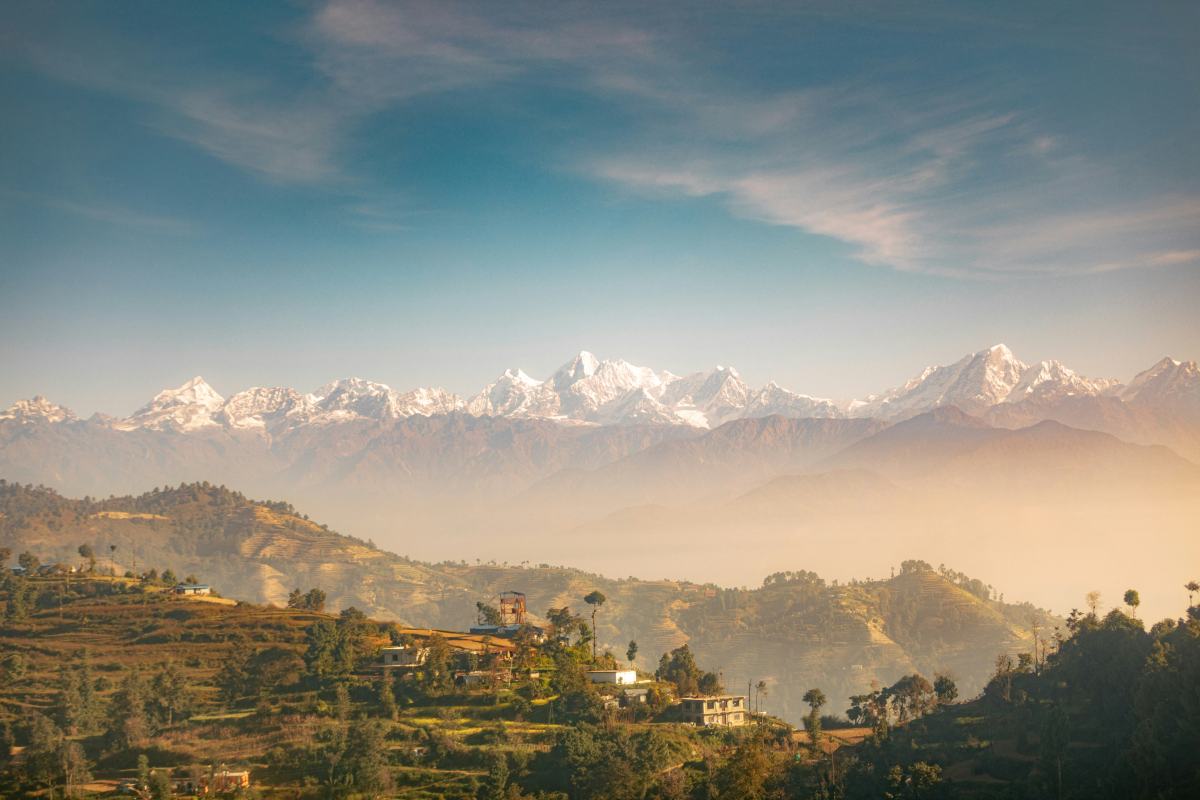
From Holiday to Himalayan Experience: The Best of Nepal for the Modern Traveller
There are countries you visit, and there are countries that stay with you. Nepal belongs firmly in the second...
August 19, 2026
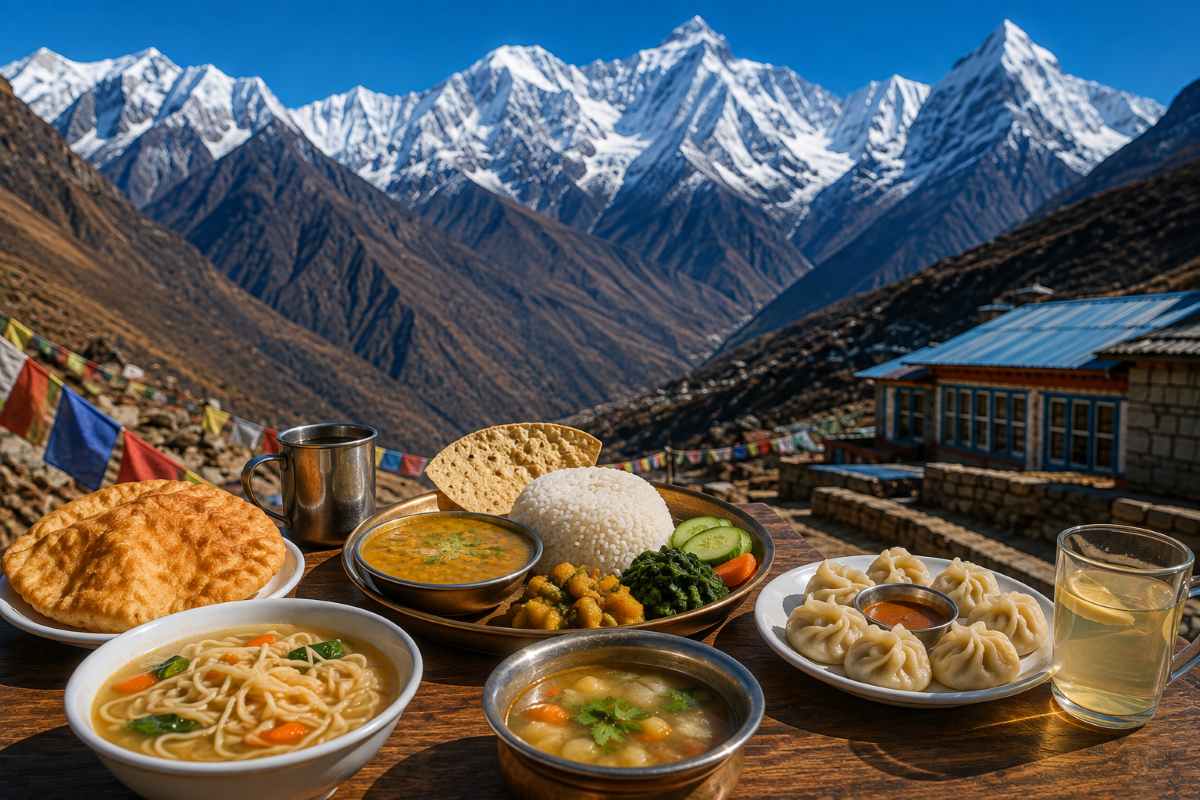
Two Kitchens on One Trail : Eating Your Way Through the Everest Region
Somewhere on the way to Everest Base Camp, the smell of woodsmoke and simmering broth gives way, out of...
Ready to Explore the Himalayas?
Join us for professionally guided trekking, mountaineering expeditions, and peak climbing experiences across Nepal’s most iconic landscapes.
Join our newsletter & stay updated.
Error: Contact form not found.
We're associated with