Every year, thousands of travellers from dozens of countries ask us the same set of questions about the Everest...
From Holiday to Himalayan Experience: The Best of Nepal for the Modern Traveller
August 24, 2026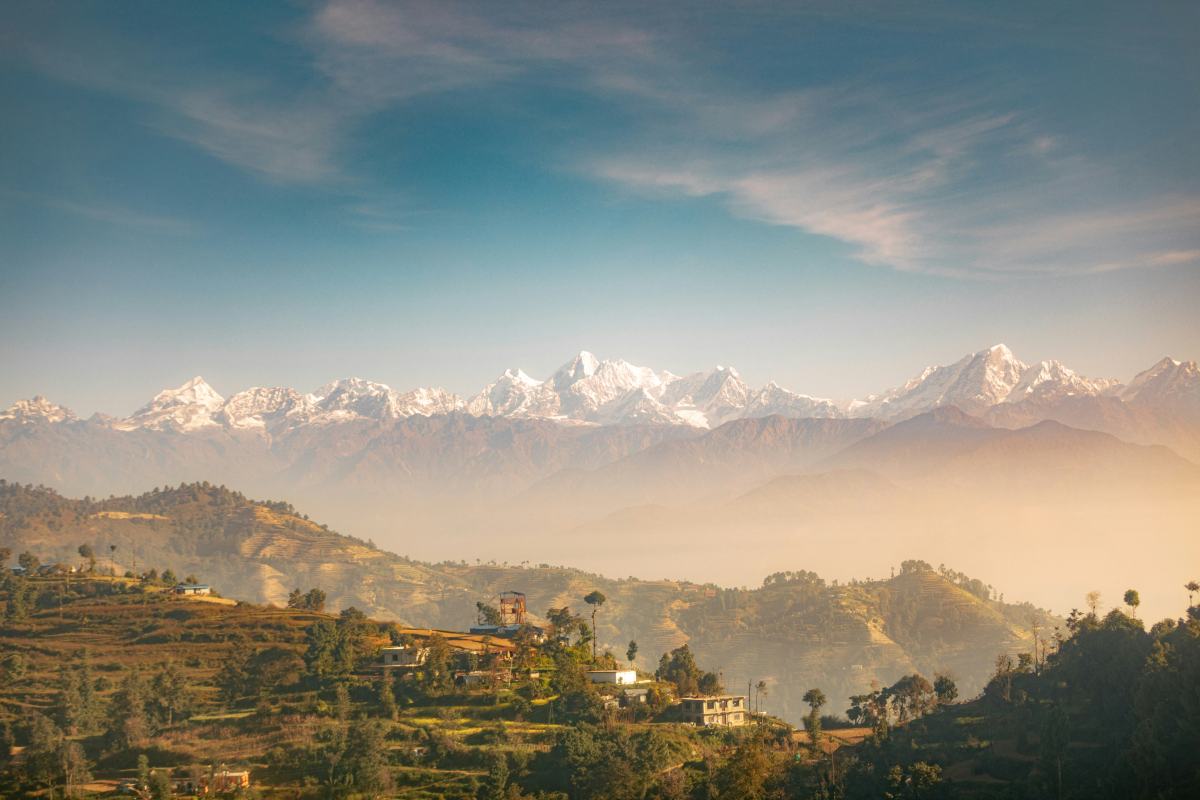
There are countries you visit, and there are countries that stay with you. Nepal belongs firmly in the second kind. For anyone looking to experience the best of Nepal, the journey is about much more than ticking famous destinations off a list. It is about slowing down, connecting with people, and discovering the landscapes, cultures, food, and moments that make this country unforgettable.
I’ve wandered this country for years, through Kathmandu’s ancient courtyards, along quiet trails where the nearest road is a day’s walk away, under sunrise over the Annapurnas, past rhododendron forests and high passes, through the wind carved valleys of Mustang, past monasteries where monks chant in the cold morning air, and around village fires where strangers become friends over shared food.
If I’ve learned one thing, it’s this. The biggest mistake a visitor can make in Nepal is trying to see everything. Nepal isn’t a checklist. It’s an experience you slow down into.
Start in Kathmandu
Most people treat Kathmandu as a gateway to the mountains. That’s a mistake. Give it a few days first.
Walk the old streets. Sit with Swayambhunath and Boudhanath. Wander Patan’s courtyards and Bhaktapur’s timeworn Newari architecture. Don’t just photograph it. Watch the craftsmen at work, eat something simple from a street stall, follow the sound of bells until you’re pleasantly lost. Beneath the noise and chaos is a civilization shaped by centuries of art, trade, and devotion. Kathmandu isn’t just where your trip begins. It’s the first real chapter of it.
Then Slow Down in Pokhara
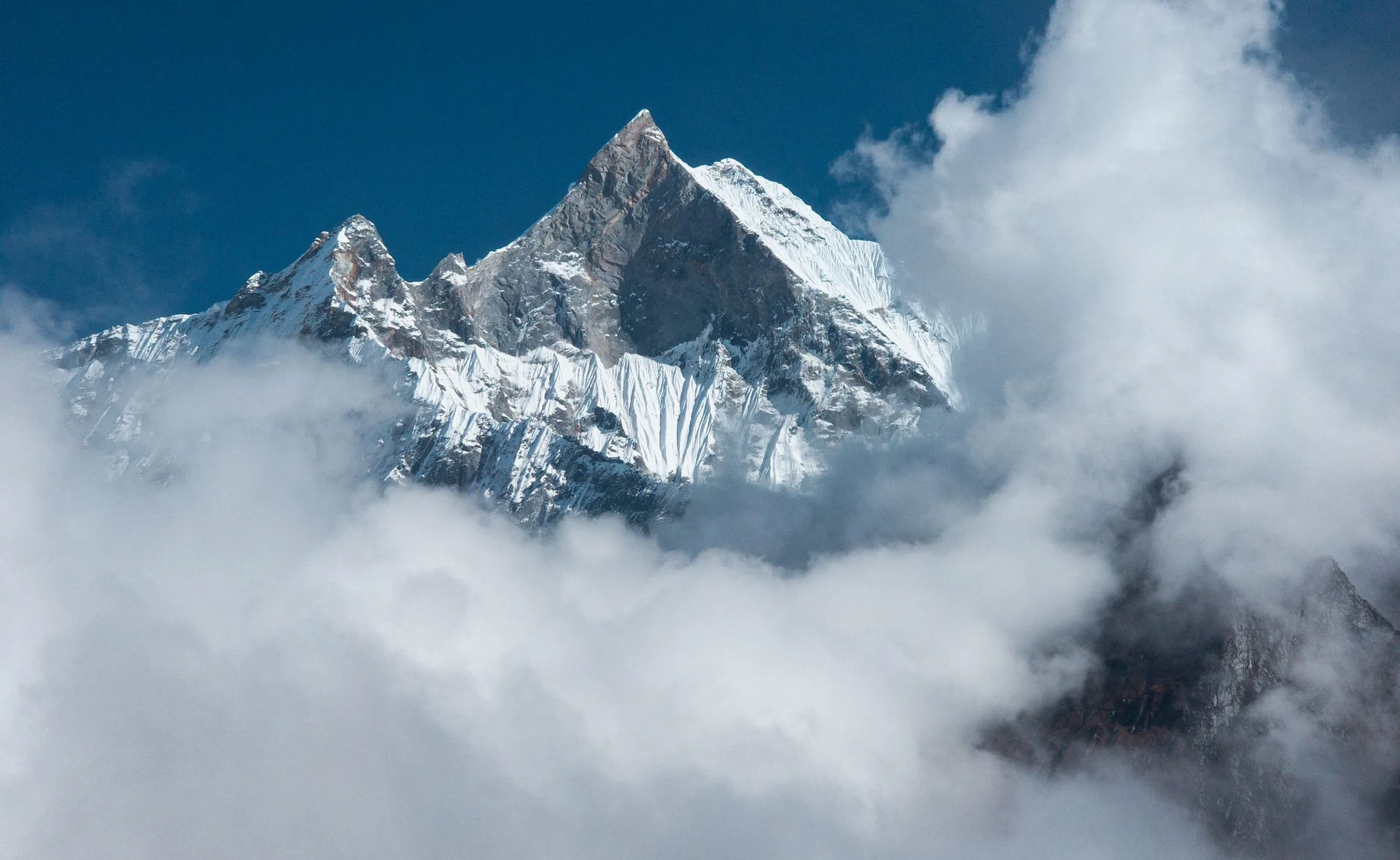
If Kathmandu is Nepal’s mind, Pokhara is its breath. The Annapurna and Machhapuchhre ranges rise dramatically behind the city, and Phewa Lake sets an entirely different pace.
Take a boat out. Walk the lakeside. Watch the mountains shift color as the light moves. Pokhara is also a brilliant base for paragliding, biking, and other adventures, but my favorite thing to do there is nothing at all. Find a quiet spot in the morning, order tea, and just watch the mountains. Nepal doesn’t always ask you to do something. Sometimes it just asks you to be there.
Trek, Even Just Once
You don’t need to summit anything or disappear for three weeks. Nepal has trails for every fitness level and every appetite for altitude.
Annapurna is the most versatile first trek, with green valleys and traditional villages building slowly toward real drama. The Everest region is different. The mountains take over, and Sherpa villages and monasteries carry you through Sagarmatha National Park. The walking itself becomes the point, not just Base Camp. And then there are the quieter routes, Langtang, Manaslu, Kanchenjunga, Dolpo, each showing you a different Nepal entirely.
Choose your trek because it fits the experience you want, not just because it’s famous.
Walk Slowly Through the Mountains
Don’t race. A trek isn’t a competition to log kilometers. Stop in villages. Talk to people. Drink the tea. Look behind you.
The landscape shifts as you climb, and so does the culture. Hindu communities fill the lower valleys, and Tibetan Buddhist traditions take over higher up. Architecture changes. Language changes. Food changes. That blend of shifting land and shifting culture is what makes trekking here so rich, and it’s best noticed slowly, not rushed through.
Feel Somewhere Else in Mustang
Mustang has a different personality entirely. Head north and the hills turn dry, wind carved, austere, the trans Himalaya. The colors change. The buildings change. Muktinath, at 3,749 meters, draws Hindu and Buddhist pilgrims alike.
Don’t treat it as scenery. Sit in the villages. Visit the monasteries respectfully. Eat what’s local. Listen to the people who’ve built a life in this beautiful, difficult place. That’s how Mustang stops being a destination and becomes a memory.
Go Wild in Chitwan
After days among glaciers, head south for something completely different: subtropical forest, grassland, rivers. A safari here might bring you face to face with the greater one horned rhinoceros, deer, crocodiles, dozens of bird species, and with luck, a Bengal tiger.
Take it slow. A canoe ride, a guided walk, some birdwatching. Only days after walking beneath glaciers, you’ll be watching a rhino step out of the grass. That contrast is Nepal in a single trip.
Don’t Skip the Terai
Many visitors never make it here, and they miss something important. The Terai has its own food, language, architecture, and spiritual weight. Visit Janakpur for its deep religious identity, then continue to Lumbini, the birthplace of the Buddha.
Lumbini isn’t just a religious stop. It’s a place to sit quietly after the physical intensity of the mountains and let the trip settle inside you.
Eat Everything
Start with dal bhat. Don’t underestimate it. It changes shape from household to household, region to region. Then move on: momos, Newari food in the valley, Thakali cooking, mountain breads and potatoes, tea in a village lodge. Food tells you where you are in Nepal almost better than the map does. While you eat make sure you consider the hygiene.
Sleep in a Village
If you can, choose a homestay over a hotel. A hotel gives you a room. A village gives you a conversation, about farming, festivals, the house you’re sleeping in, the school down the road. These moments don’t show up on an itinerary. They happen because you made space for them. And your money reaches the family directly, which makes it a kindness as much as an experience.
Adventure Doesn’t Always Mean Adrenaline
Yes, Nepal has rafting, paragliding, canyoning, bungee jumping, and more. But sometimes the real adventure is smaller: cycling a rural road, crossing a swaying suspension bridge, catching a local bus into the hills, waking before dawn for a viewpoint. The best adventure is just the one that gives you a story worth telling.
Watch a Sunrise
You don’t need the famous viewpoint. Just wake early, find a ridge, and stand quietly. Watch grey turn to silver, silver turn to gold, as the light finds the peaks one by one. Some of my strongest memories in Nepal are these mornings with nothing to do but watch.
Travel Slowly, Travel Kindly
If I could give one piece of advice, it would be this: do less, and experience more. Don’t try to cram Everest, Annapurna, Chitwan, Lumbini, and Mustang into one breathless trip. Nepal’s roads, altitude, and weather move at their own pace. Let them.
And travel gently while you’re at it. Use local operators, treat guides and porters fairly, cut down on plastic, ask before you photograph someone, respect the sacred places you pass through. The mountains aren’t a backdrop. They’re someone’s home.
My Ideal Nepal Trip
If I were building one trip for a first time visitor, I wouldn’t try to show them everything. I’d give them contrast: Kathmandu for history, Pokhara for stillness, a Himalayan trek for the walking and the villages, Chitwan for wildlife, Lumbini for reflection, and if there’s time, something quieter and less visited, chosen just for them.
That combination gives you more than photographs. It gives you a sense of the place.
What I Hope You Find
The best of Nepal was never really a list of places. It’s a collection of moments: the first glimpse of a peak after a long day’s walk, tea offered by a Sherpa family, prayer flags moving in the wind, dal bhat after six hours on the trail, the silence of Mustang, a rhino stepping through the grass, a boat crossing Phewa Lake, a stranger who becomes a friend.
You can come looking for the highest mountains on earth and leave remembering its people instead. You can arrive for adventure and leave with tranquility. You can come for a holiday and leave with a relationship to a place.
So don’t just ask what should I see. Ask what you want to take home: adventure, culture, solitude, wildlife, food, friendship, or simply the chance to walk somewhere beautiful. Nepal has all of it.
And if you’re willing to slow down for it, Nepal might just give you the one thing no itinerary can promise: a place you’ll want to come back to.
Related Blogs
August 31, 2026
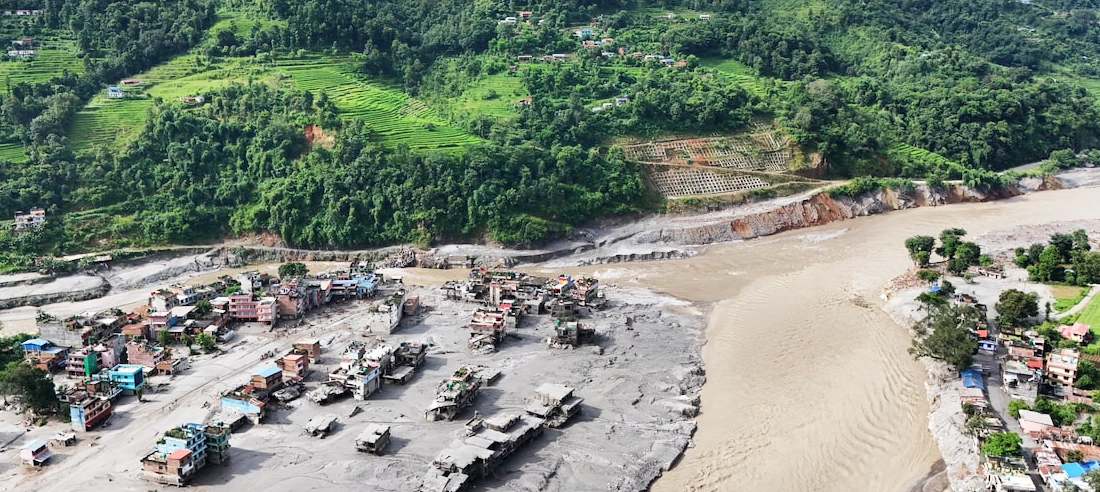
Nepal Flash Flood 2026: What Happened in Rasuwa and What Travelers Need to Know
Nepal is once again facing a difficult moment after a devastating flash flood struck the Rasuwa District and Bhote...
August 19, 2026
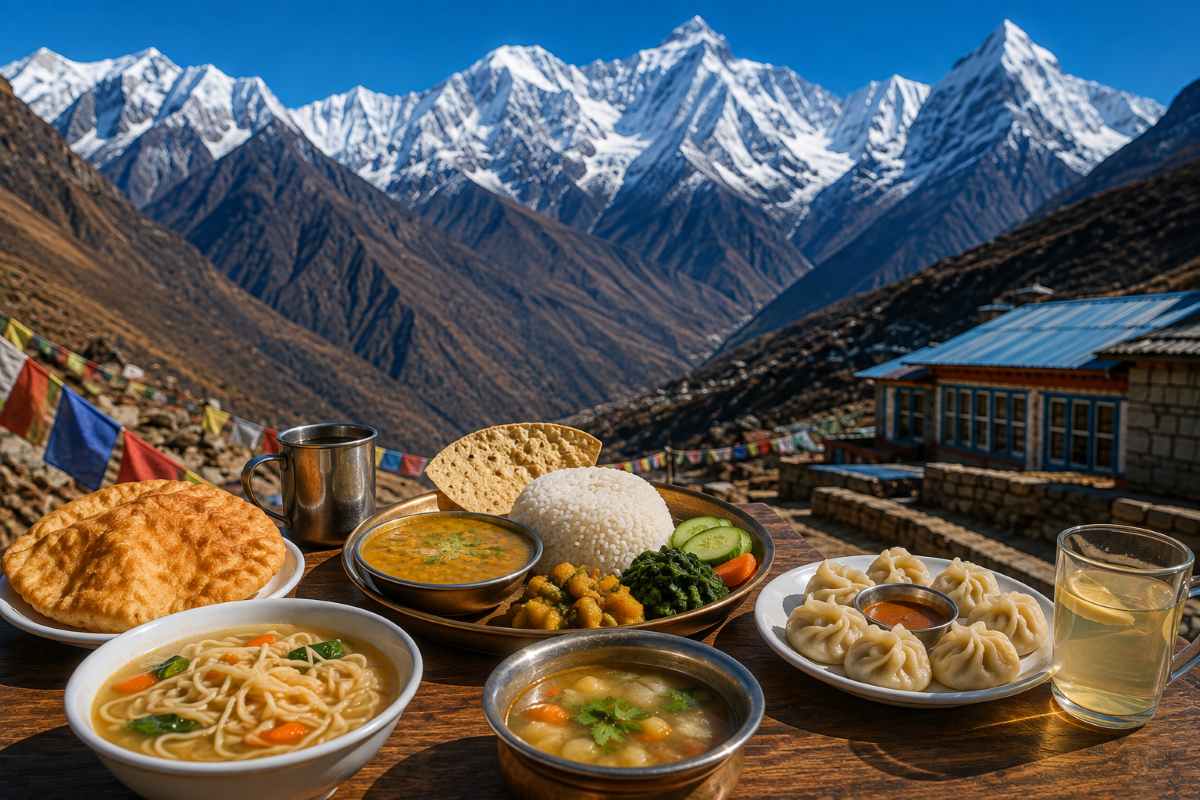
Two Kitchens on One Trail : Eating Your Way Through the Everest Region
Somewhere on the way to Everest Base Camp, the smell of woodsmoke and simmering broth gives way, out of...
Ready to Explore the Himalayas?
Join us for professionally guided trekking, mountaineering expeditions, and peak climbing experiences across Nepal’s most iconic landscapes.
Join our newsletter & stay updated.
Error: Contact form not found.
We're associated with